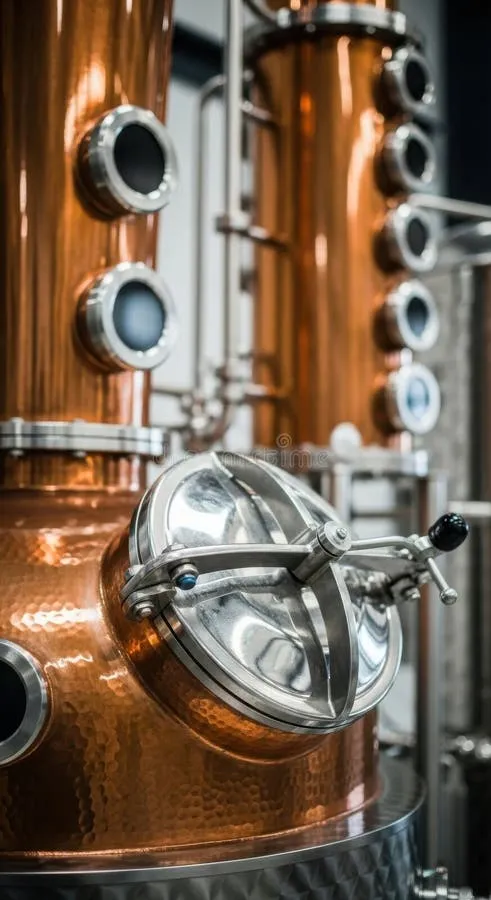
From Grain to Glass Across America: Five Craft Distilleries Elevating Vodka to an Art Form
For decades, vodka occupied an awkward position in the American spirits conversation. Wine had terroir. Bourbon had heritage. Craft beer had endless regional variation. Vodka, by contrast, was marketed almost exclusively on the premise of having no character at all — the cleaner, the better, the more invisible, the more desirable.
That era is ending.
Across the United States, a remarkable cohort of craft distillers is approaching vodka with the same reverence and curiosity that their counterparts bring to single-malt whiskey or small-batch gin. They are asking harder questions: What happens when you distill heirloom wheat grown on a specific Montana ranch? How does a vodka made from New York apples differ, in ways both measurable and ineffable, from one made from Idaho potatoes? What does the Pacific Northwest actually taste like when you put it in a bottle?
The answers, as it turns out, are extraordinary. What follows is a tour of five American craft distilleries that are redefining what vodka can be — and offering the discerning drinker a genuinely new way to experience a spirit they thought they already knew.
1. Westward Grain Works — Portland, Oregon
The Philosophy: Pacific Northwest terroir, expressed through malted barley.
Most vodka producers begin with a neutral grain spirit purchased from a commodity supplier and redistill it. Westward Grain Works does not. Every bottle begins with whole malted barley sourced from farms within 150 miles of their Portland distillery — the same ingredient that defines the region's celebrated craft beer culture, applied here to a spirit that demands equal precision.
Tasting Notes: The nose offers a gentle warmth, faintly reminiscent of fresh bread and soft grain. On the palate, there is an unexpected richness — a slight creaminess that gives way to a clean, mineral finish. This is a vodka that rewards attention. Serve it neat or in a simple martini where nothing competes with its quiet complexity.
Cocktail Pairing: A Westward Grain Martini — 2.5 oz of the spirit, a whisper of dry vermouth, expressed lemon peel. Nothing more. The grain character carries the drink.
Distiller's Note: "We want people to taste Oregon," says head distiller Mara Chen. "Not just ethanol and water. The barley knows where it grew, and we think that matters."
2. Blue Ridge Still House — Asheville, North Carolina
The Philosophy: Appalachian spring water as the defining ingredient.
Nestled in the mountains of western North Carolina, Blue Ridge Still House has built its entire identity around a single, remarkable natural resource: a limestone-filtered spring that produces some of the softest, most mineral-balanced water in the eastern United States. Head distiller James Polk (no relation to the president, he is quick to note) uses this water at every stage — mashing, fermentation, and final dilution.
Tasting Notes: Exceptionally smooth on entry, with almost no perceptible heat. The mouthfeel is notably silky — a quality Polk attributes directly to the water's low mineral content. A faint sweetness on the midpalate, derived from their locally sourced soft red winter wheat, leads to a finish that is clean, brief, and genuinely elegant. This is a vodka built for sipping.
Cocktail Pairing: A Blue Ridge Mule — 2 oz of the vodka, premium ginger beer, fresh lime, and a sprig of Appalachian mint. The spirit's softness allows the ginger's spice to shine without competition.
Distiller's Note: "People come here expecting to taste the vodka," Polk says. "I tell them they're also tasting the mountain. The water is half the recipe."
3. High Plains Distillery — Abilene, Kansas
The Philosophy: Single-origin heritage wheat, honoring the Great Plains tradition.
Kansas grows some of the finest hard red winter wheat on earth, and High Plains Distillery has made it their mission to ensure that fact is reflected in every bottle they produce. Working directly with third-generation farming families in the surrounding counties, they source their grain from fields they can visit by truck — a supply chain so short it borders on the radical.
Tasting Notes: There is a robustness here that distinguishes it immediately from more delicate expressions. The nose is faintly nutty, with a dry, almost savory quality that speaks to the wheat's protein content. The palate is full and slightly chewy — a texture that holds up beautifully in cocktails without disappearing. The finish carries a pleasant warmth that lingers just long enough to remind you that this is a serious spirit.
Cocktail Pairing: A Prairie Old Fashioned — yes, with vodka. Muddle a sugar cube with two dashes of aromatic bitters, add 2 oz of High Plains vodka, stir over ice, and garnish with an orange twist. The spirit's body makes this work in ways a lighter vodka never could.
Distiller's Note: "Our farmers have been growing this wheat for generations," says co-founder Beth Harmon. "We just think they deserve to be in the conversation when people talk about what makes a great spirit."
4. Finger Lakes Spirits — Geneva, New York
The Philosophy: Fruit-forward vodka from New York's most celebrated wine country.
The Finger Lakes region of upstate New York is best known for its Rieslings and its lake-effect growing conditions. Finger Lakes Spirits draws on both, producing a small-batch vodka distilled entirely from locally grown apples — a choice that places them in a distinct category from grain-based producers and opens up an entirely different set of flavor possibilities.
Tasting Notes: Light and bright on the nose, with a faint orchard quality that is more suggestion than declaration. The entry is exceptionally clean, almost effervescent in its crispness. As the spirit develops on the palate, a gentle fruitiness emerges — not sweet, but alive in a way that grain vodkas rarely achieve. The finish is dry and refreshingly brief. This is summer in a glass.
Cocktail Pairing: A Finger Lakes Spritz — 1.5 oz apple vodka, 3 oz dry sparkling wine from a local Finger Lakes producer, a splash of elderflower liqueur, and a thin apple slice. Regional, elegant, and effortlessly seasonal.
Distiller's Note: "Apple vodka gets dismissed as a flavored spirit," says founder David Chen. "We're making something different — a base spirit that happens to come from apples. The distinction matters enormously in the glass."
5. Sonoran Desert Spirits — Tucson, Arizona
The Philosophy: Desert-grown agave and native grains, pushing vodka into entirely new territory.
Perhaps the most unconventional entry on this list, Sonoran Desert Spirits occupies a fascinating space between vodka and the broader category of agave spirits. Their flagship expression is distilled from a blend of blue agave and locally grown heritage corn — a combination that sounds improbable until you taste it, at which point it sounds inevitable.
Tasting Notes: The nose is unlike anything else in the American craft vodka landscape: faintly vegetal, with a subtle earthiness that immediately communicates place. On the palate, the agave contributes a gentle sweetness that mingles with the corn's natural warmth. There is a slight minerality — the desert itself, one imagines — and a finish that is long by vodka standards, dry and pleasantly complex. This is a vodka for people who think they do not like vodka.
Cocktail Pairing: A Sonoran Paloma — 2 oz of the vodka, fresh grapefruit juice, a pinch of Tajín on the rim, and a splash of sparkling water. The spirit's character transforms the classic cocktail into something genuinely regional.
Distiller's Note: "We stopped asking what vodka is supposed to be," says distiller Rosa Medina, "and started asking what the Sonoran Desert tastes like. Everything followed from there."
The Broader Movement
What connects these five distilleries — separated by geography, ingredient, and philosophy — is a shared conviction that vodka deserves the same serious attention we give to every other category of fine spirits. They are not making vodka that aspires to be invisible. They are making vodka that insists on being seen.
For the discerning drinker, this movement represents something genuinely exciting: a spirit category in the midst of a creative renaissance, producing bottles that reward curiosity, support local agriculture, and offer experiences that no mass-produced alternative can approximate.
At Ten Forward Vodka, we find ourselves in excellent company. The American craft spirits revolution is well underway, and the view from the distillery floor has never looked more promising.