Spirit and Sustenance: A Framework for Pairing Craft Vodka Across the Dinner Table
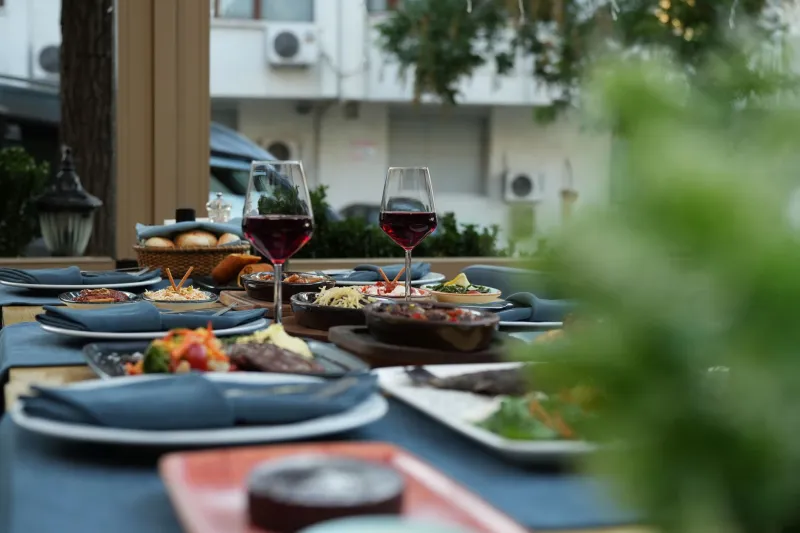
The dinner table has always been the most demanding stage a beverage can occupy. Wine has spent centuries earning its place there, developing an entire vocabulary of pairing logic—acid versus fat, tannin against protein, the regional sympathies of grape and soil. Beer followed, more recently, with its own grammar of bitterness and carbonation. Spirits, by and large, have been relegated to the periphery: an aperitif before the meal, a digestif after, or a cocktail served alongside rather than in concert with the food.
For vodka specifically, this marginalization has been nearly total. The spirit's association with cocktail culture is so thoroughly established that few diners—and fewer restaurants—have considered whether a premium craft vodka might belong at the table in the same way a carefully selected Chablis or a dry Riesling does. But among a small and growing community of sommeliers, beverage directors, and forward-thinking chefs, that conversation is now underway. And the early results are, by any measure, persuasive.
Why Vodka's Neutrality Is a Pairing Virtue
The conventional criticism of vodka as a food-pairing spirit is the same quality that has long been positioned as its defining characteristic: neutrality. A spirit without pronounced flavor, the argument goes, has nothing to contribute to a pairing dialogue. It neither complements nor contrasts; it simply exists alongside the food without engaging it.
This critique, while understandable, misreads what premium craft vodka actually offers at the table. The spirit's relative restraint—its absence of the barrel-derived tannins that can overwhelm delicate dishes, or the pronounced sweetness that makes many liqueurs poor dining companions—makes it among the most culinarily flexible spirits in the American market. Its work at the table is not to dominate but to support: to cleanse the palate, to amplify certain flavor compounds in the food, and to provide a textural counterpoint that neither wine nor beer can replicate.
Furthermore, the premise of neutrality collapses entirely when applied to craft vodka produced with genuine intention. A potato-based spirit from the Pacific Northwest carries earthiness and weight. A rye-based vodka from a Great Plains distillery brings a subtle spice and grain character. A corn-based expression from the American South has its own sweetness and body. These are not neutral spirits in any meaningful sense. They are quiet ones—and quiet, at the dinner table, is not a limitation.
Building the Framework: Production Style as Pairing Logic
The most practical approach to vodka and food pairing begins not with the food but with the spirit's base ingredient—the raw material that, more than any other variable, defines the vodka's fundamental character.
Grain-based vodkas—those produced from wheat, rye, or corn—tend toward lighter body and cleaner finish, with varying degrees of cereal character depending on distillation approach. These expressions perform particularly well alongside delicate proteins: oysters on the half shell, crudo, sashimi, and lightly dressed salads with acidic vinaigrettes. The spirit's clean finish resets the palate between bites without competing with the food's own subtlety. A wheat-based craft vodka served at cellar temperature—approximately 55 degrees—alongside a well-executed oyster mignonette is, for those who have tried it, a genuinely revelatory combination.
Potato-based vodkas occupy different culinary territory. Their characteristic weight and mild earthiness make them natural companions for richer preparations: charcuterie and cured fish, roasted root vegetables, egg-based dishes, and the full spectrum of smoked proteins. The Russian and Eastern European tradition of serving vodka alongside pickled and preserved foods reflects an intuitive understanding of this pairing logic that has existed for centuries. A small pour of a premium American potato vodka alongside a board of house-cured salmon, crème fraîche, and pickled shallots is not a novelty; it is a tradition that has simply been waiting for American dining culture to rediscover it.
Rye-based and heritage grain expressions carry enough spice and structural character to hold their own against bolder flavors—aged cheeses, spiced preparations, game proteins, and dishes with pronounced umami. These vodkas reward the kind of pairing logic typically reserved for lighter red wines: looking for complementary spice notes and textural alignment rather than contrast.
The Sommelier's Perspective
A handful of beverage directors at American fine dining establishments have begun incorporating premium craft vodkas into their pairing programs, and their observations offer a useful template for the curious home host.
One beverage director at a New York tasting-menu restaurant describes her approach as "subtractive pairing"—using the spirit's clean palate-cleansing properties to manage the cumulative richness of a multi-course meal. "Wine pairings across eight courses can become fatiguing," she notes. "A small pour of a well-made craft vodka between courses—not as a palate cleanser in the conventional sense, but as a genuine pairing with a transitional dish—resets the guest's perception in a way that nothing else quite accomplishes."
A Chicago-based spirits educator who has developed a vodka-forward tasting menu for private events emphasizes the importance of serving temperature and glassware in the dining context. "At the table, vodka should not be served ice-cold," he argues. "The food is warm; the environment is warm. A chilled spirit creates a jarring contrast that works against the pairing. A spirit served at 55 to 60 degrees engages with the food rather than interrupting it."
A Practical Tasting Menu Framework
For the home entertainer willing to explore this territory, a five-course vodka-pairing dinner requires only a few well-chosen bottles and a willingness to approach the spirit with the same intentionality one would bring to wine selection.
- First course — Raw and delicate: A light wheat-based craft vodka alongside oysters, tuna crudo, or a chilled cucumber soup with fresh herbs.
- Second course — Cured and preserved: A potato-based expression served alongside smoked fish, house-pickled vegetables, and dark bread with cultured butter.
- Third course — Rich and savory: A rye-based or heritage grain vodka paired with a roasted beet salad with aged goat cheese, or a mushroom tart with truffle.
- Fourth course — The main: A potato vodka at room temperature alongside a pan-roasted duck breast or braised short rib—the spirit's weight and earth providing a grounding counterpoint to the richness of the protein.
- Fifth course — A digestif moment: A small pour of a botanical-inflected or lightly aged expression alongside a composed cheese course or a dark chocolate preparation.
The Larger Argument
Positioning premium craft vodka as a dining companion is, at its core, an argument about respect—for the spirit, for the craft behind it, and for the drinker's capacity to engage with it thoughtfully. The cocktail-centric narrative that has defined American vodka culture for the past several decades has served the category well in certain respects, but it has also imposed a ceiling on how seriously the spirit is taken.
The dinner table removes that ceiling. It demands presence, consideration, and genuine engagement with food—and in that demanding context, a premium craft vodka produced with care and intention has more than enough to offer. At Ten Forward Vodka, we have always believed that the finest spirits deserve the finest occasions. There is no occasion more demanding, or more rewarding, than a well-composed meal.