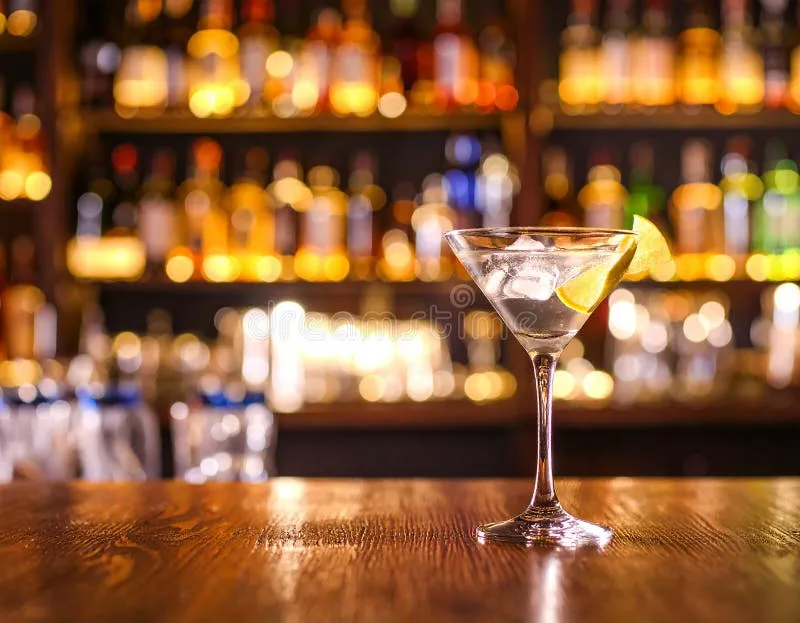
Beyond the Martini Glass: How Craft Vodka Is Rewriting the Cocktail Canon
For much of the late twentieth century, vodka occupied a peculiar position in American drinking culture: omnipresent yet oddly invisible. It was the spirit that disappeared into its surroundings, lending alcoholic structure to citrus, to soda, to the cold geometry of a chilled coupe—without ever demanding to be noticed. That anonymity was, for a long time, considered a virtue.
The craft distilling movement has complicated that assumption in the most welcome way possible.
Across the United States, small-batch producers are fermenting heirloom grains, heritage potatoes, and regionally distinctive raw materials to create vodkas that carry genuine aromatic identity. These are not spirits content to vanish into a drink. They have opinions. And as a result, the bartenders working with them are discovering that craft vodka deserves a far more expansive seat at the cocktail table than convention has historically allowed.
The Problem with a Single Archetype
The martini—and its close cousin, the vodka soda—became the default showcase for premium vodka for understandable reasons. Both drinks are architecturally spare, offering little cover for a mediocre spirit. If a vodka tasted harsh or hollow, the martini would expose it without mercy.
But that same simplicity also imposed a ceiling on how the spirit was understood. When bartenders evaluated a vodka, they evaluated it almost exclusively through the martini lens: Is it clean? Is it smooth? Does it disappear gracefully into vermouth? These are legitimate questions, but they represent only a fraction of what a well-made craft vodka can offer.
The richer question—one that craft distillers have been quietly answering for the better part of a decade—is this: What happens when a vodka is complex enough to actively contribute to a cocktail rather than simply support it?
Grain Character and the New Bloody Mary
Few cocktails are as ingredient-driven as the Bloody Mary. Tomato juice, horseradish, Worcestershire, hot sauce, celery salt—the drink is essentially a savory pantry in a pint glass. Vodka, in the conventional formulation, functions as little more than an alcoholic carrier.
Craft distillers working with wheat, rye, and corn bases have begun to change that dynamic. A rye-based vodka, with its characteristic peppery undercurrent and faintly spiced finish, integrates with a Bloody Mary's heat in a way that standard grain-neutral spirit simply cannot replicate. The two elements reinforce each other, creating a more cohesive, layered drink. Similarly, a corn-forward vodka distilled to retain some of the grain's natural sweetness can soften the acidity of tomato juice without requiring additional sugar—a subtler form of balance that speaks to genuine craft.
Bartenders at some of the country's more forward-thinking establishments are now selecting their Bloody Mary vodka with the same intentionality they bring to whiskey selection for a Manhattan. The base spirit is no longer an afterthought.
The Vodka Negroni: A Study in Restraint and Revelation
Of all the canonical cocktails being reexamined through the lens of craft vodka, perhaps none is more instructive—or more contentious—than the Negroni.
The traditional Negroni is a gin drink, full stop. Its architecture depends on gin's botanical complexity to push back against Campari's bitterness and sweet vermouth's richness. Substituting vodka, in the conventional wisdom, produces a flatter, less interesting drink.
That conventional wisdom was formed before craft vodka existed in its current form.
When a distillery producing a wheat-based vodka with a soft, almost creamy mid-palate and a clean, slightly floral finish is used in place of gin, something unexpected occurs: the Campari's bitter notes become more pronounced, the vermouth's herbal complexity rises to the foreground, and the drink's overall architecture becomes more transparent. Rather than competing with the botanical layers of gin, the vodka creates negative space—an absence that allows the other ingredients to be heard more clearly.
This is not an argument that vodka Negronis are superior to their gin counterparts. It is, rather, an observation that a sufficiently expressive craft vodka opens interpretive possibilities that a neutral spirit cannot. The drink becomes a different conversation, not a lesser one.
Vodka in the Sour Family: A Natural Alliance
The sour format—spirit, citrus, sweetener, often a foaming agent—has long welcomed vodka in the form of the cosmopolitan and the lemon drop. What has changed in the craft era is the degree to which the base spirit can shape the final expression.
Distillers working with unusual fermentation substrates, from local honey to heirloom corn varieties grown in specific American microclimates, are producing vodkas with aromatic profiles that interact meaningfully with citrus. A honey-based vodka, for instance, carries a faint floral sweetness that pairs with fresh lemon juice in ways that amplify rather than neutralize the fruit. The result is a sour cocktail with genuine depth—one where the spirit's character threads through every sip rather than fading into the background after the first.
This dynamic has not been lost on the American bartending community. Competitions, menu development programs, and professional education initiatives are increasingly treating craft vodka with the same ingredient-forward scrutiny applied to aged spirits and amari.
What This Means for the Home Bar
For the enthusiast building a serious home cocktail program, the implications are practical and exciting in equal measure. Selecting a craft vodka based solely on smoothness or brand reputation is increasingly insufficient. The more productive question is: What does this spirit bring to the glass, and which cocktail formats will allow that character to speak?
A rye-based vodka from the Midwest belongs in savory, spice-forward builds. A potato vodka with a silky, earthy texture performs beautifully in stirred, spirit-forward cocktails where mouthfeel matters. A light, citrus-inflected grain vodka from the Pacific Northwest may find its highest expression in a well-constructed sour or a low-intervention spritz.
Craft vodka, in other words, rewards the same thoughtful pairing sensibility that one brings to wine or whiskey. The martini glass remains a worthy destination. It is simply no longer the only one.