Pure Complexity: The Paradox of Crafting a Vodka That Tastes Like Nothing—and Everything
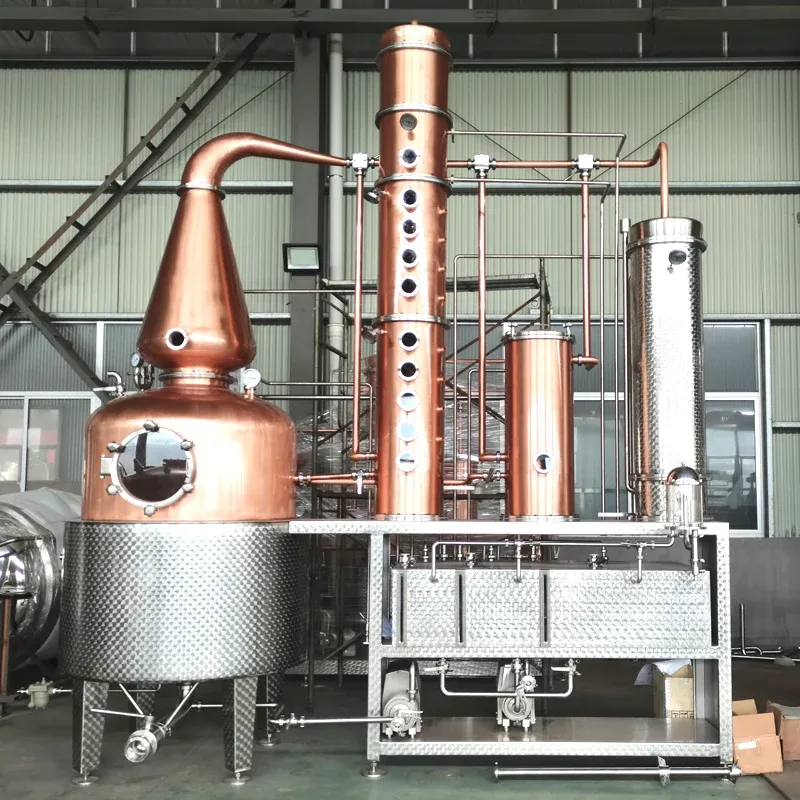
Photo: craft vodka distillation column still close-up laboratory precision, via assets.laicms.com
Conventional wisdom holds that vodka's defining trait is the absence of flavor—a blank canvas, a spirit without a story. Yet among master distillers, the pursuit of true neutrality is regarded as one of the most technically demanding feats in all of craft spirits. Understanding why reveals something profound about what separates exceptional vodka from the merely adequate.
The Regulation That Complicates Everything
The United States Alcohol and Tobacco Tax and Trade Bureau defines vodka as a spirit "without distinctive character, aroma, taste, or color." On its surface, that definition sounds like an invitation to produce something forgettable. In practice, it is anything but. When a bourbon distiller makes an error in fermentation, the barrel aging process has years to smooth rough edges. When a gin maker miscalculates a botanical blend, the juniper carries the conversation regardless. A vodka distiller has no such safety net. Every imperfection—every sulfurous note, every unwanted ester, every miscalculated cut—arrives in the glass with nowhere to hide.
The paradox deepens when one considers that the most celebrated craft vodkas are not, in fact, characterless. They possess a recognizable softness, a particular weight on the palate, a finish that lingers without announcing itself. Neutrality, properly understood, is not the absence of quality. It is quality refined to its quietest, most disciplined expression.
Why Heavily Flavored Spirits Have an Easier Road
Consider the production of a single malt Scotch or an aged rum. Both spirits draw heavily on the flavors imparted by oak barrels, fermentation byproducts, and raw material character. A distiller working with those spirits is, in part, a curator—selecting and arranging flavors that time and chemistry have already generated. The wood does considerable work.
Vodka distillers work in the opposite direction. Rather than coaxing flavor from the spirit, they are removing it—or more precisely, they are removing the wrong flavors while preserving the qualities that make a vodka feel alive rather than flat. This requires an intimate command of distillation science: understanding precisely where on the distillation curve to make cuts, how many times to redistill for incremental purity gains, and how activated carbon filtration affects not just contaminants but also the subtle textural qualities that define a premium product.
Get one variable wrong, and the vodka does not merely taste bad. It tastes like nothing—dead, thin, and forgettable in the worst possible way. Authentic neutrality has a presence. Lazy neutrality is simply absence.
The Role of Base Material in Apparent Simplicity
Among the most persistent misconceptions about vodka is that the source grain or starch is irrelevant once the spirit has been distilled to high proof. Experienced distillers disagree, and discerning palates confirm their position.
Wheat-based vodkas tend toward a creamy, slightly sweet quality that coats the palate with gentle persistence. Rye imparts a subtle spice—not the assertive bite of a rye whiskey, but a faint peppery undercurrent that adds dimension to the finish. Corn-derived vodkas, common among American craft producers, often exhibit a soft, rounded sweetness that speaks to the grain's natural character. Potato vodkas, long associated with Eastern European tradition, carry an earthy, almost mineral weight that sets them apart in a blind tasting.
None of these characteristics are loud. None of them constitute "flavor" in the way that a flavored vodka or a botanical spirit would claim. But they constitute character—the fingerprint of the raw material that survives even the most rigorous distillation process. The craft distiller's task is to honor that fingerprint without amplifying it into distraction.
Distillation as Surgical Precision
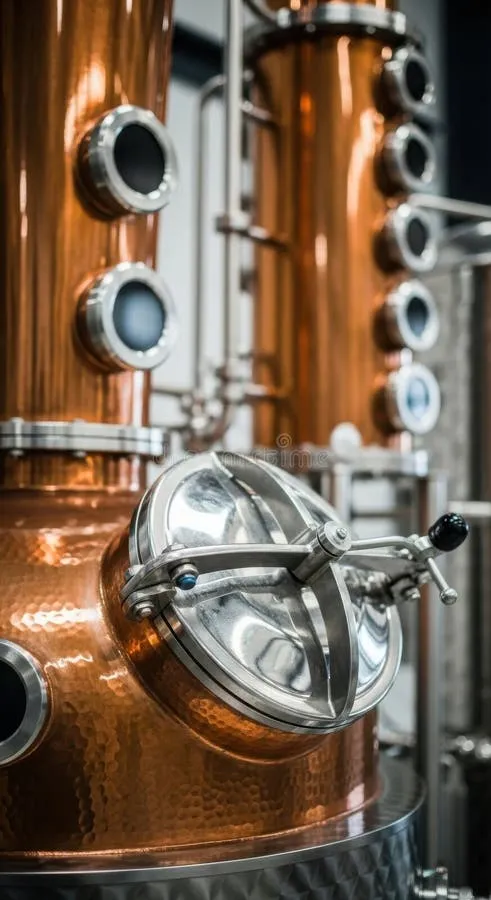
If base material provides the canvas, distillation determines the resolution of the final image. Most craft distillers working at the premium tier conduct multiple distillation passes, each one refining the spirit further toward that ideal of transparent excellence. Column stills, pot stills, and hybrid configurations each produce different textural outcomes, and the choice of still architecture is a philosophical declaration as much as a technical one.
Equally consequential are the cuts—the points at which the distiller separates the desirable "heart" of the run from the "heads" and "tails" that carry off-notes and fusel alcohols. A generous heart cut retains more of the spirit's natural character but risks preserving unwanted congeners. A tight cut produces clinical purity but may strip the vodka of the very qualities that distinguish it. The master distiller walks this line with the confidence of experience and the humility of someone who knows that the spirit will reveal every miscalculation.
Filtration: Refinement Without Erasure
Filtration, particularly through activated charcoal, is standard practice across the vodka industry, but the craft approach treats it as a precision instrument rather than a blunt corrective tool. Over-filtration is a genuine risk. Some producers, eager to achieve maximum clarity, filter so aggressively that they remove not only impurities but also the mouthfeel compounds that give premium vodka its characteristic viscosity and warmth.
The most thoughtful craft distillers calibrate their filtration protocols carefully, sometimes opting for multiple short passes rather than a single extended contact with carbon. Others experiment with alternative filtration media—quartz, silver, or even specialized ceramic—to achieve clarity without sacrificing body. The goal is always the same: a vodka that is clean without being sterile, smooth without being thin.
What Neutrality Actually Communicates
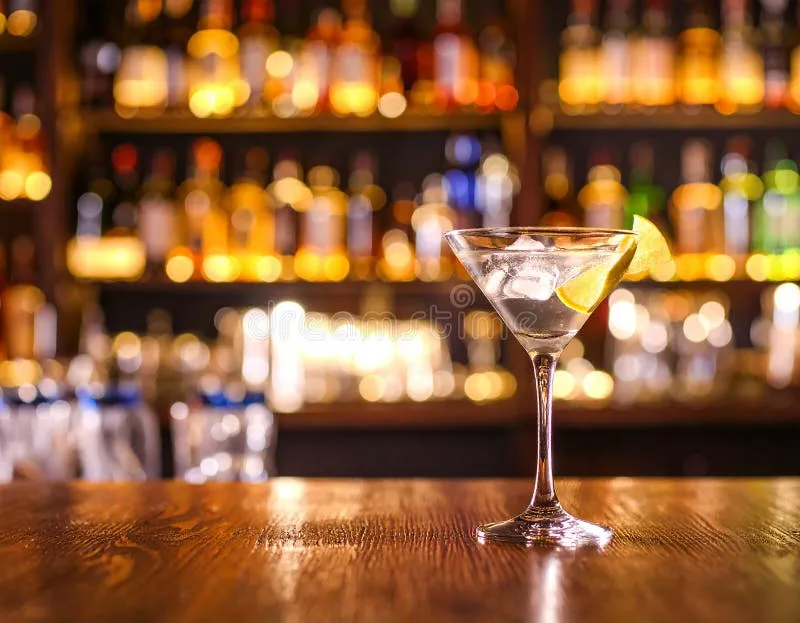
There is a reason that the most skilled bartenders in America reach for premium craft vodkas when building a delicate cocktail. A vodka with genuine neutral excellence does not compete with its companions—it elevates them. It brings structure and viscosity to a martini without asserting its own agenda. It carries citrus in a well-made Collins without muddying the brightness.
That quality—the ability to enhance without dominating—is not a passive trait. It is the result of hundreds of deliberate decisions made across the entire production process, from the selection of grain to the final dilution with carefully chosen water. The vodka that tastes like nothing has, in fact, been shaped by everything.
For the discerning enthusiast, recognizing this reality transforms the experience of tasting premium vodka. The question is no longer whether a vodka has flavor. The question is whether the distiller has achieved the rare and difficult harmony between purity and presence—and whether the glass in your hand carries the evidence of that achievement.