Form Follows Flavor: A Serious Guide to Choosing the Right Glass for Premium Vodka

Photo by Photo by Or Hakim on Unsplash on Unsplash
A premium craft vodka represents the culmination of considerable effort: carefully selected base ingredients, a deliberate distillation process, and a philosophy of production that distinguishes it from the undifferentiated mass of the category. It would be a quiet irony, then, to deliver that spirit into a glass chosen without similar care—one that muffles its aromatic subtleties, compromises its temperature, or simply fails to direct your attention toward the qualities that make it worth drinking.
Glassware is among the most underappreciated variables in the serious vodka enthusiast's toolkit. The conversation around vessel selection has been richly developed in the whiskey, wine, and even beer communities, yet vodka—perhaps because of its long association with casual consumption—has largely been left out of that dialogue. This guide is an attempt to rectify that omission.
Why Glass Shape Is a Sensory Instrument
Before examining specific vessel types, it is worth establishing why geometry matters at all. The fundamental mechanism is aerodynamics. When a liquid is poured into a vessel, the shape of that vessel determines how aromatic compounds are released, concentrated, and directed toward the nose. A wide-mouthed glass allows volatiles to disperse rapidly, which can be advantageous for spirits with aggressive aromatic profiles but may work against the more delicate top notes of a well-crafted vodka. A narrower rim, by contrast, concentrates those compounds at the point of inhalation, making subtle aromatic qualities perceptible that might otherwise be lost.
The stem of a glass—or its absence—is equally consequential. A stemless design encourages the drinker to cradle the bowl in the palm, transferring body heat to the spirit and accelerating its warm-up. For vodka, which is most commonly served cold and benefits from maintaining a lower temperature throughout the drinking experience, a stemmed glass is generally preferable. It allows the drinker to hold the vessel without compromising the spirit's serving temperature.
Wall thickness also influences perception. Thin-walled crystal, while more fragile, delivers a cleaner sensory experience at the lip—particularly relevant for vodka, where the entry sensation, the first moment of contact between spirit and palate, is a primary component of quality assessment.
The Tulip Glass: A Reliable Standard
For neat vodka consumption, the tulip-shaped tasting glass—a form familiar from professional spirits evaluation—remains the most technically defensible choice. Its inward taper at the rim performs precisely the aromatic concentration function described above, while its modest size (typically two to three ounces at the bowl) discourages overfilling and encourages contemplative sipping rather than casual consumption.
The tulip is not glamorous. It lacks the visual drama of a coupe or the architectural elegance of a proper martini glass. But for the purpose of genuinely evaluating a craft vodka—assessing its texture, its aromatic character, its finish—it is without peer. Many serious enthusiasts maintain a set of these specifically for the purpose of first encounters with a new bottle.
The Coupe: Elegance With Caveats
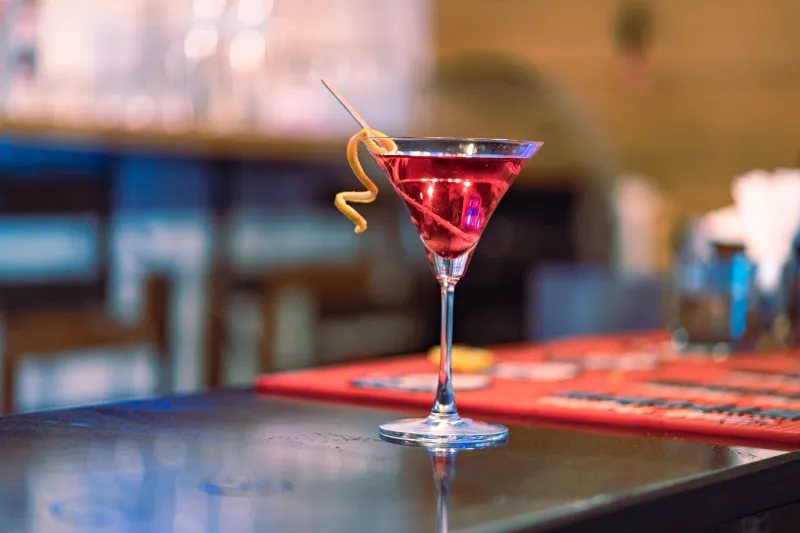
The vintage coupe glass has enjoyed a sustained revival in American cocktail culture over the past decade, and its appeal is understandable. Its broad, shallow bowl and graceful stem make it one of the most visually distinguished vessels in the barware canon. For vodka-based cocktails served up—shaken or stirred and strained without ice—the coupe offers a genuinely superior experience compared to the V-shaped martini glass it has largely displaced.
The coupe's wide surface area does, however, accelerate both temperature rise and aromatic dissipation. This means that a neat pour of premium vodka in a coupe will warm and evolve more quickly than the same spirit in a tulip glass. For cocktail applications, where the spirit's subtleties are integrated with other ingredients, this is rarely a concern. For contemplative solo drinking, it is worth considering.
If the coupe is your preference, the practical recommendation is straightforward: pre-chill the glass, pour conservatively, and drink with intention rather than pace.
The Nick and Nora: A Considered Compromise
For those who find the tulip glass too clinical and the coupe too diffuse, the Nick and Nora glass offers an elegant middle path. Named for the cocktail-loving protagonists of Dashiell Hammett's The Thin Man, this vessel features a rounded bowl that narrows slightly at the rim—providing more aromatic concentration than the coupe while retaining a visual elegance that the tulip cannot match.
The Nick and Nora has become a favored choice among serious craft cocktail establishments, and its appropriateness for premium vodka served neat or in a refined cocktail is well established. Its relatively modest capacity—generally three to four ounces—also encourages the kind of portion discipline that benefits both the drinking experience and the appreciation of the spirit.
Crystal Versus Glass: A Material Distinction
The material composition of a vessel influences more than aesthetics. Traditional lead crystal, now largely replaced by lead-free crystal compounds in contemporary production, possesses a surface microstructure that some sensory scientists argue facilitates a slightly different interaction with the liquid than standard borosilicate glass. Whether this difference is perceptible in practice remains a matter of some debate, but the consensus among serious enthusiasts leans toward crystal for premium spirits—if only for the tactile and acoustic qualities it imparts.
The ring of a crystal glass when struck lightly, its weight in the hand, the quality of light it refracts—these are not trivial sensory details. They constitute the full context of the drinking experience, and context, as any sommelier will confirm, shapes perception in ways that are both measurable and profound.
Practical Recommendations by Occasion
For solo evaluation of a new craft vodka, a clean tulip tasting glass, lightly chilled, remains the recommended standard. For a formal dinner cocktail—a martini variation or an elegant vodka sour—the Nick and Nora or coupe serves admirably. For a casual gathering where the emphasis is on enjoyment rather than analysis, a well-made rocks glass, used without ice for a premium neat pour, is entirely appropriate and considerably more durable.
What all of these recommendations share is intentionality. The choice of glass is an act of respect toward the spirit—an acknowledgment that the distiller's labor deserves a proper stage. For the craft vodka enthusiast, that acknowledgment is not merely ceremonial. It is, quite literally, part of the taste.