The Spirit as Destination: Inside the Rise of Vodka-Forward Tasting Bars
For most of the past three decades, vodka has occupied a curious position in American bar culture. It is, statistically, the most consumed spirit in the country by a considerable margin—and yet, in the venues most invested in serious drinking, it is frequently treated as a supporting player. The craft cocktail movement that reshaped American bars beginning in the early 2000s brought renewed attention to technique, provenance, and ingredient quality, but it largely reinforced a particular hierarchy: the cocktail was the art form, and the base spirit was its raw material.
That hierarchy is beginning to shift. Across the country, a distinct category of venue is emerging—one that places vodka at the center of the experience rather than in service of something more elaborate. These establishments are not simply bars that stock an impressive vodka selection. They are spaces designed around the proposition that premium vodka, encountered on its own terms, is worthy of the same sustained attention Americans increasingly bring to single-origin coffee, natural wine, or aged cheese.
The Case Against Cocktail Primacy
To understand why this shift is significant, it helps to appreciate what the cocktail model, for all its virtues, tends to obscure. When a spirit is mixed—even brilliantly—the resulting drink reflects the skill of the bartender as much as the character of the base. Vermouth, bitters, citrus, and sugar are not neutral additions; they transform what they touch. A technically flawless martini tells you a great deal about proportion and dilution and the quality of the olive brine. It tells you relatively little about the specific rye vodka in the shaker.
This is not a criticism of cocktails. It is simply an acknowledgment that mixing and tasting are different activities, serving different purposes. The tasting bar model recognizes that distinction and builds an experience around it.
Some operators have drawn direct inspiration from the wine and whiskey tasting traditions, which have long offered structured, sequential encounters with spirits in their unadorned form. Others have arrived at the model more organically, responding to a customer base that arrived already curious about production methods, regional ingredients, and the sensory differences between distillation approaches.
What a Vodka Tasting Bar Actually Looks Like
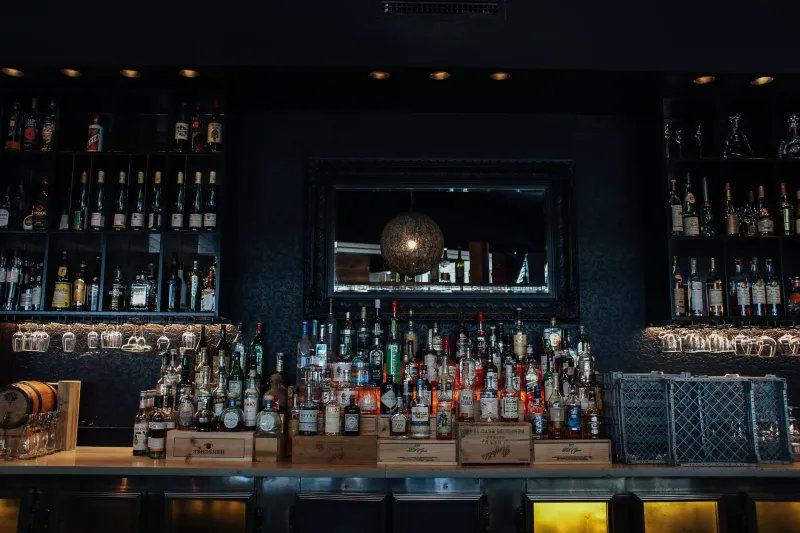
The physical design of these venues tends to reflect their philosophical orientation. Counter space is organized to accommodate flights rather than single pours. Glassware is typically selected for aromatics rather than aesthetics—tulip-shaped vessels that concentrate volatile compounds toward the nose rather than the wide-mouthed martini glass designed to showcase a finished cocktail's visual appeal.
Temperature control is a recurring preoccupation among operators in this space. Premium vodka reveals meaningfully different characteristics at different serving temperatures—a reality that cocktail bars, which typically serve everything well-chilled, rarely have occasion to explore. Tasting bars increasingly offer the same spirit at multiple temperatures within a single flight, allowing guests to observe how warmth opens aromatic complexity while cold sharpens textural precision.
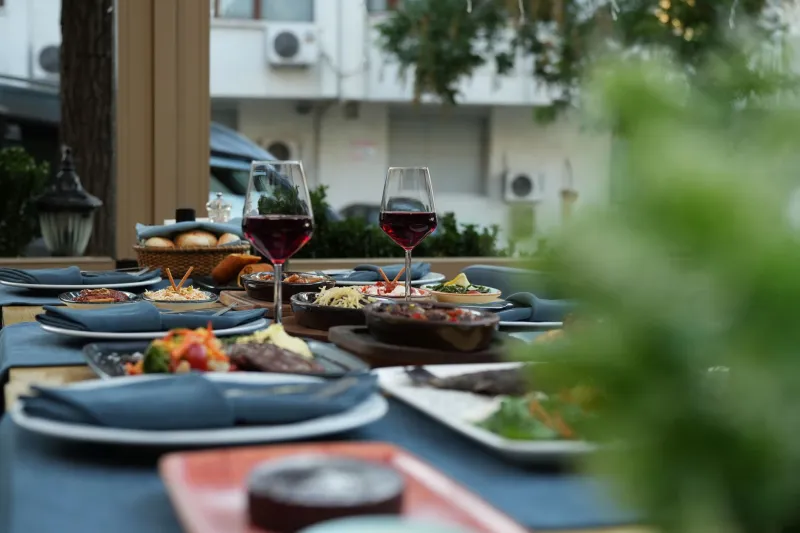
Some venues have introduced food pairing programs modeled loosely on the smörgåsbord traditions of Northern and Eastern Europe, where vodka has always been understood as a culinary spirit rather than a social lubricant. Cured fish, pickled vegetables, dense rye crackers, and cultured dairy products appear alongside spirit flights, reinforcing the message that what is in the glass is worthy of the same contextual attention as what is on the plate.
The Service Model Evolves
Perhaps the most significant innovation in this emerging segment is not architectural but human. The service model at vodka-forward tasting bars frequently involves a level of guided interaction more common to wine education or distillery tours than to traditional bar service. Staff are trained not merely to pour and describe but to facilitate a structured sensory progression—beginning with neutral expressions and moving toward more characterful or region-specific bottlings, allowing guests to develop comparative reference points across a single visit.
This approach demands a different kind of knowledge from front-of-house staff. Understanding the production distinctions between a column-distilled wheat vodka and a pot-distilled rye expression, and communicating those distinctions in language that is accurate without being exclusionary, represents a genuine skill set. Several operators in this space have invested in formal spirits education programs for their teams, drawing on certifications from organizations such as the Wine & Spirits Education Trust or the American Distilling Institute.
The guest experience that results from this investment is qualitatively different from what most Americans associate with ordering vodka at a bar. Rather than a transaction completed in seconds, it becomes a conversation—one that, at its best, leaves the guest with a meaningfully expanded understanding of what the category contains.
The Producers Who Are Paying Attention
Craft distilleries have taken notice. For a small producer whose point of differentiation lies in ingredient sourcing, production method, or regional identity, the tasting bar format offers something the traditional on-premise market rarely provides: a setting in which those distinctions can actually be perceived and appreciated.
When a distillery's vodka is ordered as part of a vodka-tonic at a busy Friday night bar, the subtlety of its mineral character or the precision of its distillation is unlikely to register with the guest. When that same vodka is served neat at a deliberate temperature, preceded by a brief description of the aquifer from which its water is drawn and followed by a comparative pour of a different regional expression, the story the distillery has invested in telling has a genuine chance of being heard.
This alignment of interest between producer and venue is accelerating the growth of the format. Some craft distilleries have established their own tasting room experiences modeled on these principles, transforming what might have been a perfunctory gift shop stop into a substantive educational encounter.
A New Kind of Drinking Culture
The broader cultural context matters here. American consumers are, by measurable trends, drinking less but drinking better—investing more attention and more money in fewer, more considered encounters with premium products. The craft spirits market has benefited enormously from this shift, and the tasting bar format is, in many respects, its logical institutional expression.
It represents a bet that vodka, properly presented and honestly described, can hold a room the way a great whiskey or a thoughtfully composed wine list can. The early evidence suggests that bet is not unreasonable. The spirit has always had the character to support this kind of attention. What it lacked, until recently, was the setting.