The Hidden Ingredient: How American Water Sources Define Craft Vodka Character
Ask a seasoned whiskey drinker about terroir and the conversation flows freely — the influence of climate on barrel maturation, the mineral character of specific watersheds, the way a particular Kentucky limestone shelf shapes the water that feeds the mash. Ask the same question about vodka and you are likely to be met with polite skepticism. Vodka, the conventional wisdom holds, is defined by its absence of character. It is a spirit of subtraction.
That assumption is worth examining more carefully. And the most revealing place to begin is not in the still, nor in the grain, but in the water.
Why Water Is Not a Neutral Variable
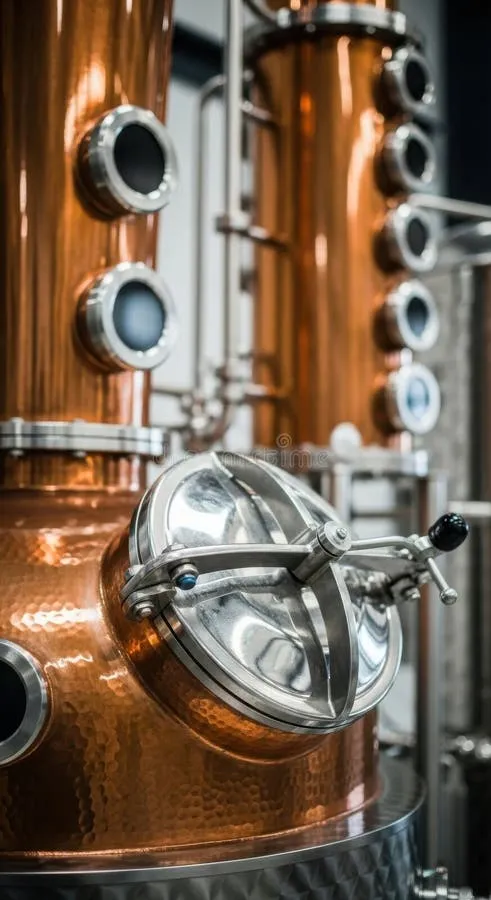
Water constitutes the majority of any finished vodka — typically accounting for sixty percent or more of the final product after dilution to bottling proof. Even during distillation, water chemistry influences how volatile compounds interact, how efficiently certain congeners are removed, and what textural qualities survive into the finished spirit.
The water used for proofing — the final dilution from distillation strength to bottling strength — is particularly consequential. At this stage, the mineral content, pH, and overall chemistry of the water are not merely incidental. They are formative. A highly mineralized water will interact with the spirit differently than soft, low-mineral water. Alkaline water will affect perceived mouthfeel. Trace elements like calcium, magnesium, and silica leave signatures that trained palates can identify, even in a spirit ostensibly stripped of character.
"Most people assume that once you've distilled something to a high proof, the water you add back is just water," says Dr. Annalise Ferreira, a food scientist who has consulted with several American craft distilleries on water sourcing decisions. "That's not accurate. The water you use for proofing is an ingredient. It has flavor, texture, and chemistry — and those qualities survive into the glass."
Colorado: The Rocky Mountain Mineral Profile
Colorado's craft distilling scene has grown substantially over the past decade, and the state's water is no small part of its identity. Much of the Front Range draws from snowmelt-fed aquifers that descend from the Rockies — water that is characteristically soft, low in dissolved minerals, and slightly acidic.
For vodka production, this translates to a particular kind of cleanliness. Colorado craft vodkas made with Rocky Mountain water tend to exhibit a lighter, more delicate mouthfeel. The absence of significant mineral content means the spirit's base character — whether wheat, corn, or potato — registers more clearly. There is less interference, less competition on the palate.
Distilleries in the mountain towns west of Denver often highlight this water profile explicitly, positioning the purity of their source as a defining quality. What they are describing, whether they use the language or not, is terroir. The water is a product of its geology, its elevation, its seasonal patterns. It carries the character of a specific place.
Kentucky: Limestone Filtration and Its Legacy
Kentucky's relationship with water is already well-documented in the context of bourbon. The state sits atop a vast limestone shelf that naturally filters groundwater, removing iron — which can create off-flavors — while adding calcium and magnesium. The result is a moderately hard, slightly alkaline water with a mineral profile that has defined American whiskey for generations.
What is less commonly discussed is how that same water affects the growing number of craft vodka producers operating in the state. Kentucky vodka, proofed with limestone-filtered water, tends toward a rounder, fuller mouthfeel compared to its Rocky Mountain counterparts. The mineral content creates a subtle weight on the palate — not heaviness, exactly, but presence. A sense that the spirit has substance.
Some distillers in the region describe this quality as a kind of "body" that makes their vodka more expressive in cocktails — it holds its own against citrus and vermouth in ways that lighter-bodied spirits sometimes do not.
The Pacific Northwest: Soft Water and Floral Complexity
Oregon and Washington present yet another distinct profile. The Pacific Northwest's rainfall-fed water systems — sourced from the Cascades, from glacially formed aquifers, from rivers that have traveled through volcanic rock — are among the softest in the country. Mineral content is low. pH tends toward neutrality or mild acidity.
Craft distillers in this region often note that their water allows aromatic compounds to express themselves more freely. Where hard water can mute or suppress certain volatile characteristics, soft water appears to permit greater aromatic transparency. Pacific Northwest vodkas made from locally grown grain or potato — and proofed with regional water — frequently exhibit a subtle floral quality that distinguishes them from spirits produced elsewhere.
"We've done blind comparisons using the same base spirit proofed with our local water versus water from other regions," notes one Portland-area distiller who asked not to be identified by name. "The difference is measurable and perceptible. Our water lets the spirit breathe. It doesn't add anything — but it doesn't take anything away, either. That's actually quite rare."
Challenging the Myth of Neutral Spirit
The persistence of the "neutral spirit" designation for vodka is, at this point, more regulatory than descriptive. The Alcohol and Tobacco Tax and Trade Bureau defines vodka as a spirit "without distinctive character, aroma, taste, or color" — language that has shaped consumer perception for decades.
Craft producers are not necessarily arguing against that definition in legal terms. They are simply demonstrating, bottle by bottle, that the space within it is wider than it appears. A vodka can meet the regulatory threshold of neutrality while still possessing qualities — textural, aromatic, structural — that distinguish it meaningfully from another vodka produced under identical conditions but with different water.
Terroir, in this context, does not require the romantic vocabulary of old-world winemaking. It requires only the acknowledgment that a spirit made in Colorado is made with Colorado water, and that Colorado water is not the same as Kentucky water, which is not the same as Oregon water. These are not trivial distinctions.
What This Means for the Discerning Drinker
For those who approach vodka with genuine curiosity, the regional water story offers a new framework for evaluation. Rather than assessing craft vodka solely on the basis of its grain bill or distillation method, consider the provenance of its water. Ask where the proofing water originates. Look for distilleries that source locally and discuss their water chemistry with the same transparency they bring to their fermentation and distillation practices.
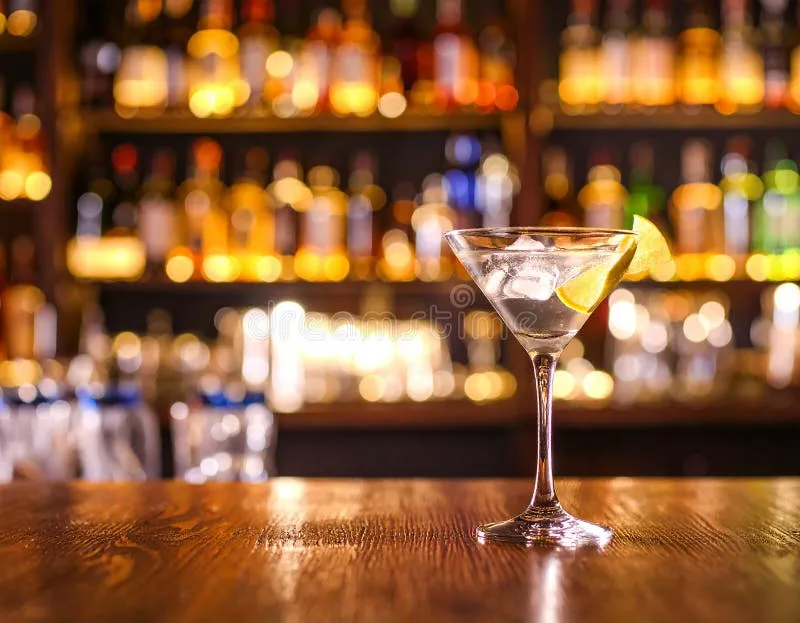
The rewards are concrete. A vodka proofed with soft Pacific Northwest water will behave differently in a martini than one built on Kentucky limestone water. Neither is superior in the abstract. But each is specific — and specificity, in craft spirits, is the beginning of genuine appreciation.
Vodka has always been more than nothing. American water, it turns out, has been quietly proving that all along.